
You’re already tracking your hours – Don’t miss the tax relief you could be entitled to
Article by GoSimpleTax
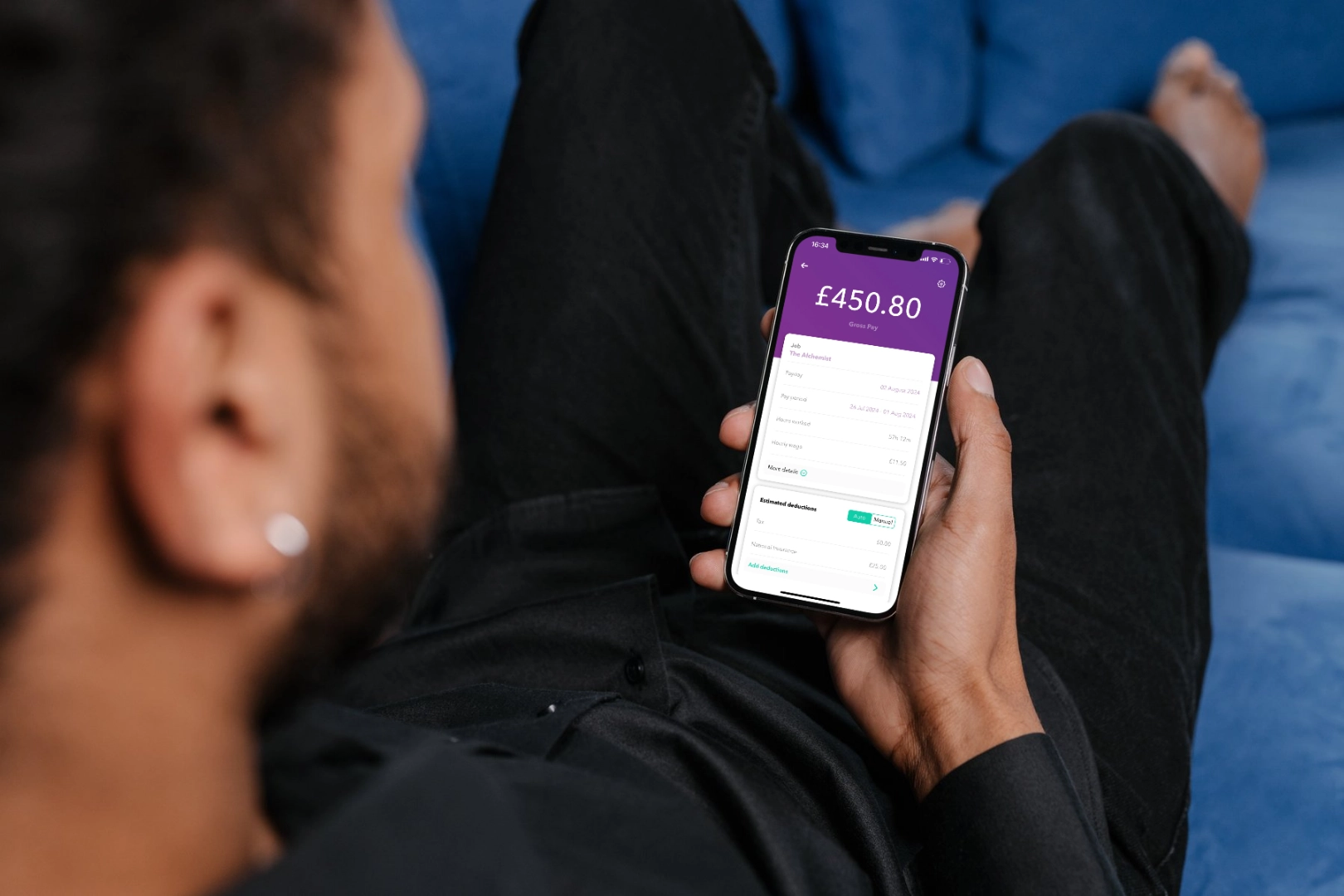
Whether you’re working shifts in hospitality, picking up agency work, balancing multiple jobs or working as a freelancer, one thing is certain: every hour you work counts.
Many workers today don’t rely on a single source of income. You might work regular hours during the week, pick up extra shifts at weekends, or combine PAYE employment with freelance work. Whatever your working pattern, keeping accurate records of your earnings has never been more important.
That’s why thousands of workers use apps like wac to keep track of their hours, earnings and invoices. Recording your shifts means you’re more likely to spot missing pay, unpaid overtime or payroll errors before they become bigger problems.
But while many people are careful about tracking what they’ve earned, far fewer keep track of something that could be just as valuable – the tax relief and allowable expenses they may be entitled to.
A little organisation throughout the year can make completing your Self Assessment much easier and, in some cases, reduce the amount of tax you pay.
Recording your earnings is only half the picture
Keeping a record of your income is a great financial habit.
It helps you understand how much you’re earning, budget more effectively and identify any mistakes in your wages. However, your earnings are only one side of the story.
If you’re self-employed, the amount of tax you pay is generally based on your profits rather than your total income. That means keeping a record of allowable business expenses is just as important as recording your earnings. You can find out what qualifies in HMRC’s guidance on allowable business expenses.
Even if you’re employed through PAYE, there are situations where you could be entitled to claim tax relief on certain work-related expenses you’ve paid for yourself and haven’t been reimbursed by your employer.
Without good records, it’s easy to overlook these opportunities.
The work-related expenses many people miss
One of the biggest misconceptions about tax is that only business owners need to think about expenses.
In reality, many workers incur legitimate work-related costs throughout the year that could have an impact on the amount of tax they pay.
If you’re self-employed
HMRC allows self-employed individuals to deduct expenses that are incurred wholly and exclusively for business purposes before calculating taxable profits.
Depending on the type of work you do, these could include:
- Equipment and tools
- Business insurance
- Professional memberships and subscriptions
- Accounting software
- Office supplies
- Business phone costs
- Internet costs relating to your business
- Marketing and advertising
- Business travel (where eligible)
Not every purchase qualifies, so it’s always worth checking HMRC’s guidance on allowable business expenses before making a claim. Keeping receipts, invoices and accurate records throughout the year makes completing your tax return much simpler.
If you’re employed
Many employees don’t realise they may also be able to claim tax relief.
For example, if your employer requires you to wear and maintain a recognisable uniform or protective clothing, and you pay the costs yourself without being reimbursed, you may be able to claim tax relief. You can check whether you’re eligible using HMRC’s guidance on uniforms, work clothing and tools.
Some occupations also qualify for flat-rate expense allowances covering the cost of maintaining uniforms or specialist equipment. The amount depends on your occupation, and where you’re eligible, claims can often be backdated for previous tax years.
Similarly, if you’re required to be a member of a professional body or pay professional subscriptions for your job, you may also qualify for tax relief if the organisation is approved by HMRC. You can check the list of approved organisations here: HMRC’s approved professional organisations list.
Working more than one job? Staying organised matters even more
According to the UK’s labour market statistics, millions of people now have more than one source of income. For many workers, combining different types of work has become part of everyday life.
You might:
- Work full-time while picking up agency shifts in the evenings.
- Combine hospitality work with a second PAYE job.
- Work bank shifts in care alongside permanent employment.
- Take on freelance contracts between employed work.
- Invoice clients while also earning through PAYE.
Having multiple income streams can be a great way to increase your earnings, but it can also make your finances more complicated.
Different employers deduct tax separately through PAYE, while freelance or self-employed income may need reporting through Self Assessment if you meet HMRC’s reporting requirements.
Keeping everything organised throughout the tax year means you’re much less likely to miss important information when it comes to completing your tax return.
When do you need to complete a Self Assessment?
Not everyone needs to complete a Self Assessment tax return, but there are several situations where you might.
For example, you may need to submit one if you:
- Are self-employed and meet HMRC’s reporting requirements.
- Receive untaxed income.
- Earn income from property.
- Have other income that needs declaring to HMRC.
If you occasionally earn additional income outside your main employment – perhaps through freelance work, contracting, selling your skills or taking on independent paid work – it’s worth understanding HMRC’s Trading Allowance.
In many cases, individuals can earn up to £1,000 of trading or miscellaneous income each tax year before needing to pay tax on that income, although the rules depend on your individual circumstances and whether you choose to claim allowable business expenses instead. You can read more in HMRC’s guidance on the Trading Allowance.
If you’re unsure whether you need to complete a Self Assessment tax return, you can use HMRC’s online checker or seek professional advice. Confirming your obligations early can help you avoid unnecessary stress and ensure you meet any deadlines.
Why good records save both time and money
If you’ve ever tried to find a receipt from nine months ago, you’ll know how frustrating it can be.
Keeping records as you go doesn’t just make your tax return quicker to complete – it also helps ensure you don’t overlook legitimate expenses.
HMRC generally requires you to keep your Self Assessment records for at least five years after the 31 January submission deadline for the relevant tax year. You can read the full guidance here: HMRC’s record-keeping guidance for Self Assessment.
Fortunately, good record keeping doesn’t mean keeping boxes full of paperwork. Digital copies of receipts, invoices and bank statements are acceptable, provided they’re complete and can be produced if needed.
Developing good habits throughout the year means less stress, fewer last-minute searches and greater confidence that your tax return is accurate.
Five simple habits that could save you money
Good financial organisation doesn’t need to be complicated. A few small habits can make a big difference.
Take photos of receipts straight away. Paper receipts fade surprisingly quickly, so saving a digital copy as soon as you receive one helps ensure you don’t lose important records.
Keep work-related spending separate where possible. Using a dedicated bank account or card for self-employed income and expenses makes it much easier to identify allowable costs.
Record expenses when they happen. Trying to remember purchases months later almost always leads to missed expenses.
Review your tax code occasionally. If you’ve changed jobs, started another role or noticed something different on your payslip, it’s worth checking you’re on the correct tax code. You can do this using HMRC’s Check your Income Tax service.
Don’t leave everything until January. Keeping on top of your records throughout the year is far easier than trying to reconstruct months of information just before the filing deadline.
Every hour you work should count
Tracking your shifts is one of the smartest financial habits you can develop. It helps ensure you’re paid correctly, gives you a clear picture of your earnings and puts you in control of your working life.
The same principle applies to tax. By keeping track of work-related expenses, invoices, receipts and other important records throughout the year, you’ll be in a much stronger position when it comes to checking your tax, completing a Self Assessment tax return or claiming any tax relief you’re entitled to.
Whether you’re working one job, juggling several employers, taking on agency shifts or freelancing alongside PAYE employment, staying organised can save you both time and money.
After all, if every hour you work matters, every pound you keep matters too.
About GoSimpleTax
Tax Return? Get 10% off now
Income, Expenses and tax submission all in one.
GoSimpleTax will provide you with tips that could save you money on allowances and expenses you might have missed.
The software submits directly to HMRC and is the solution for freelancers, the self-employed, sole traders and anyone with income outside of PAYE to file their self-assessment giving hints and tips on savings along the way.
GoSimpleTax does all the calculations for you saving you ££’s on accountancy fees.
wac members receive 10% discount off GoSimpleTax here, get started today, it’s free to try.